

 ქართული
 Русский
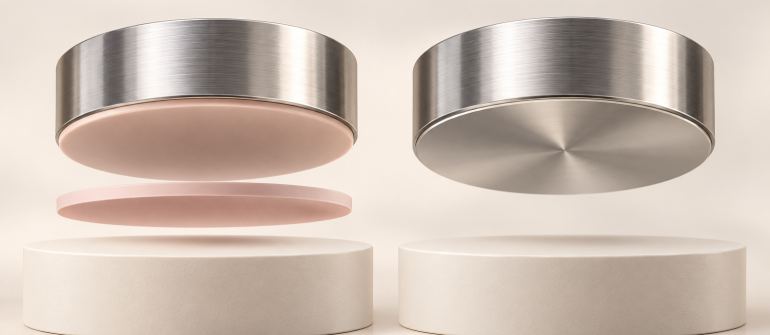
CRET research, technical modes and their limits: why one study cannot support every aesthetic promise.
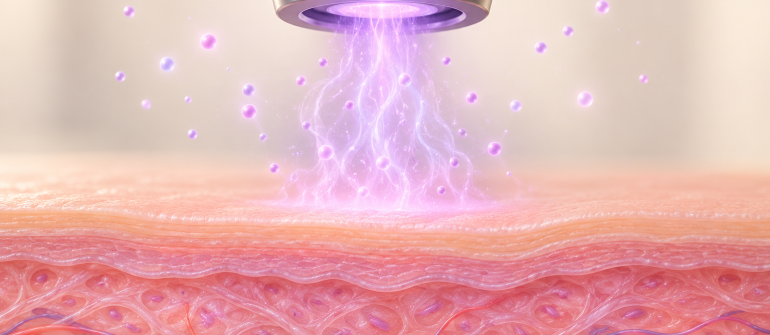
Cold atmospheric plasma studies, the distinction from cosmetic plasma pens, and how to interpret the evidence.
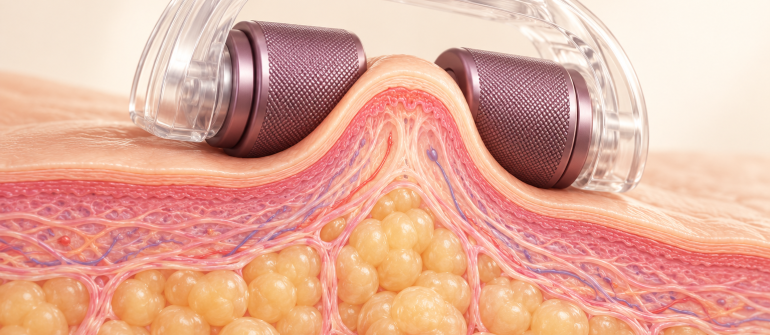
Vacuum-roller mechanics, small-study findings and the distinction between appearance changes and fat removal.
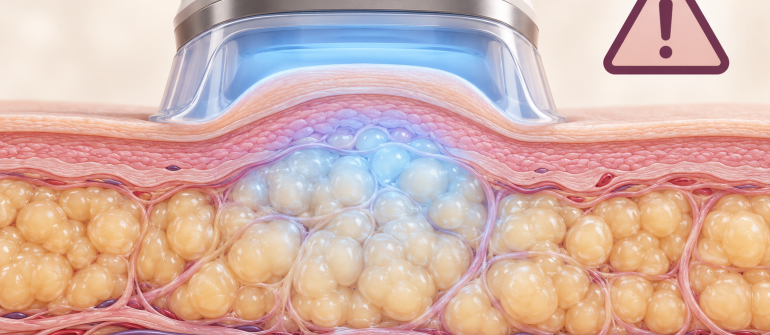
Cryolipolysis, research on local contour and the important warning about paradoxical adipose hyperplasia.
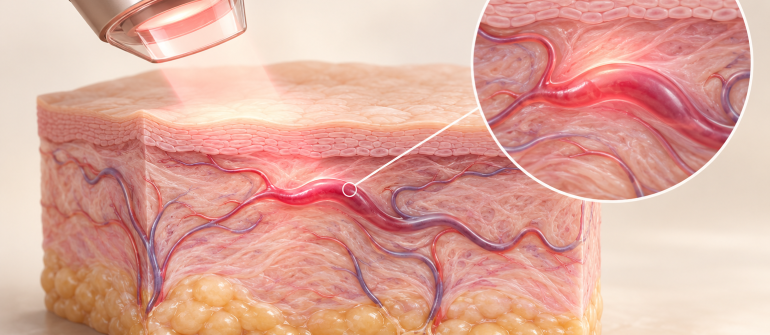
Vascular lasers and IPL, haemoglobin, the limits of rosacea management and safety considerations.
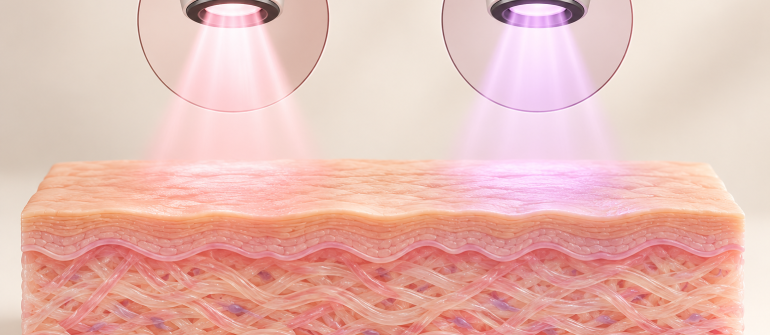
Wavelengths, fractional delivery, limits of clinical evidence and individual skin assessment.

Pulse duration, tattoo pigment, comparative research and questions for a safer choice.
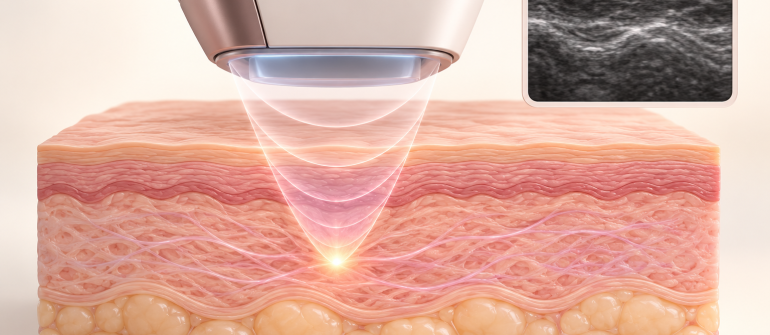
Focused-ultrasound technologies, device-specific indications and the risks of burns and nerve injury.
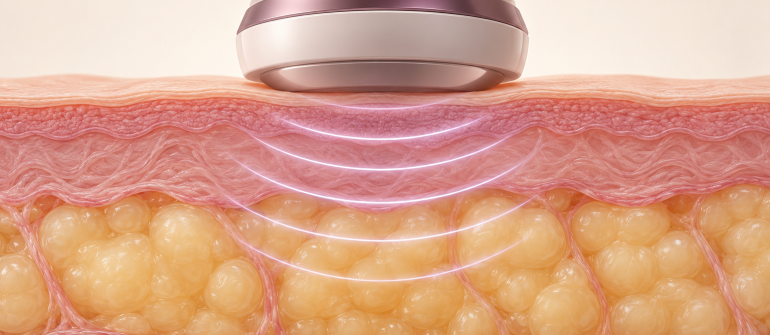
Ultrasound body contouring, limitations of cavitation research and device-specific safety.
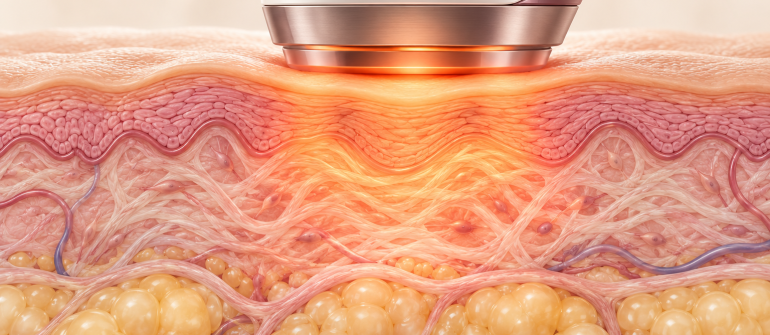
Body radiofrequency technology, limits of cellulite evidence and the distinction from RF microneedling.