
 ქართული
 Русский
How do picosecond and Q-switched laser descriptions differ?
Sources reviewed: 25 October 2026.
Reading time: 2 min.
What do “pico” and “Q-switched” describe?
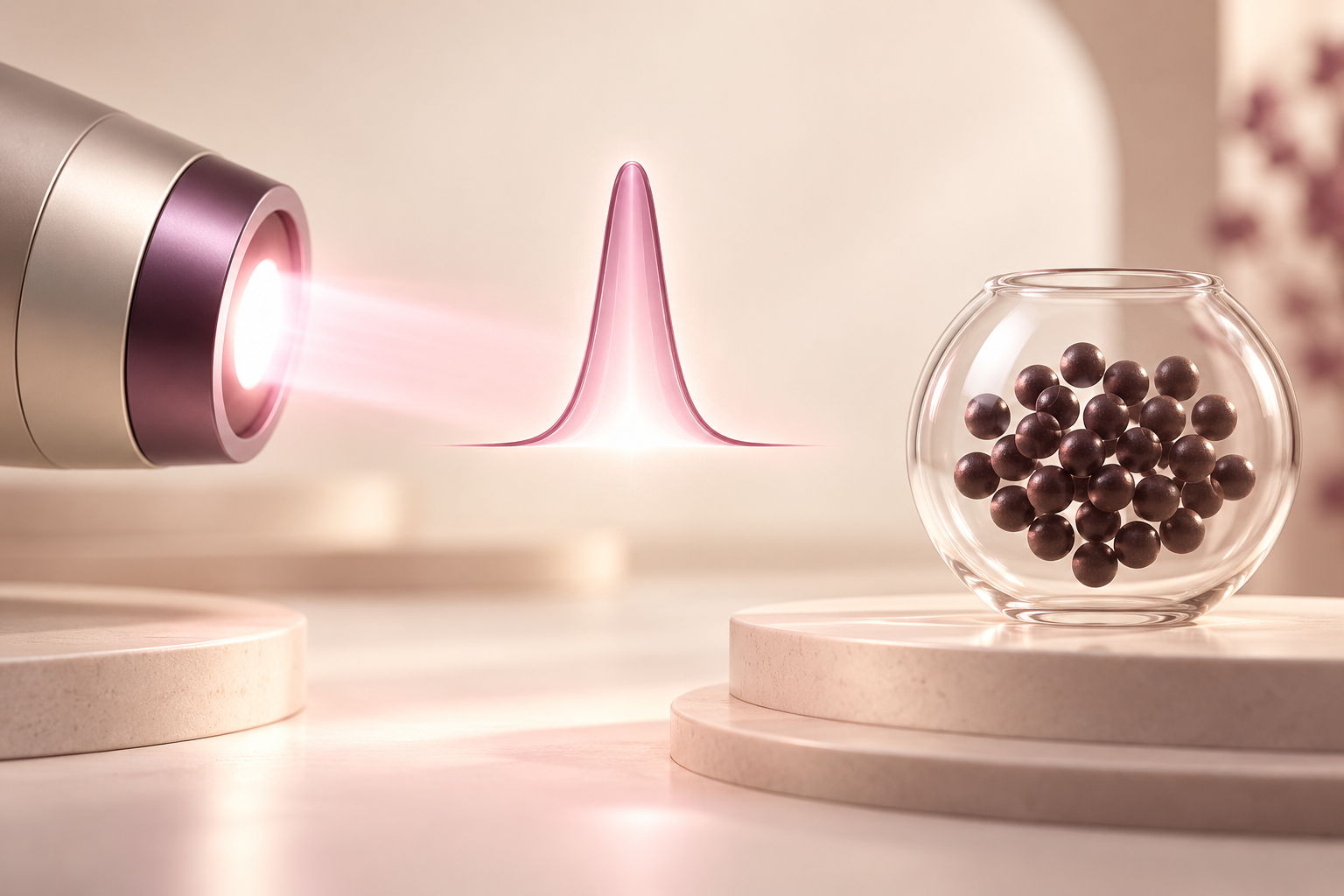
A picosecond is a unit of pulse duration; Q-switching describes a pulse-generation technique. Research includes picosecond and nanosecond Q-switched lasers, so the terms are not always mutually exclusive. Consumers need the actual pulse specification, wavelength and device identity, not just a large “PICO” label.
Source: Picosecond and nanosecond Q-switched Nd:YAG tattoo responses
How does laser energy act on ink?
Laser energy breaks tattoo ink into small particles that the immune system clears over time.
Source: FDA: Tattoo removal, options and results
What does comparative tattoo research show?
A randomized study of 49 patients compared two picosecond systems with a nanosecond laser. Under the conditions studied, the picosecond groups achieved better tattoo fading. This does not mean every colour, skin type or modern model responds identically, or that a tattoo will necessarily disappear completely.
Source: Two picosecond lasers versus nanosecond laser: randomized study
Which risks should be discussed?
The FDA lists scarring, infection and lighter skin among possible complications of laser tattoo removal. Removal may be incomplete and require multiple procedures. A qualified practitioner should assess tattoo characteristics and skin condition beforehand; chemical removal promises for home use are not a safe substitute.
Source: FDA: Tattoo removal, options and results
What information should we request?
Ask which tattoo characteristic informs the proposed choice and what outcome is realistic. If other pigmented marks are included, discuss their assessment separately. Tattoo research does not justify treating every pigment change identically. Technical device information should connect clearly to the individual treatment goal.
How can a short pulse mislead us?
A very short pulse is an interesting technical feature, but cannot describe the entire clinical service. Discussion should allow for improvement, limitations and complications. Ask how residual pigment will be assessed and follow-up planned. Choosing the smallest number is not automatically choosing the most suitable option.